

Habtamu Girma Demiessie
Introduction
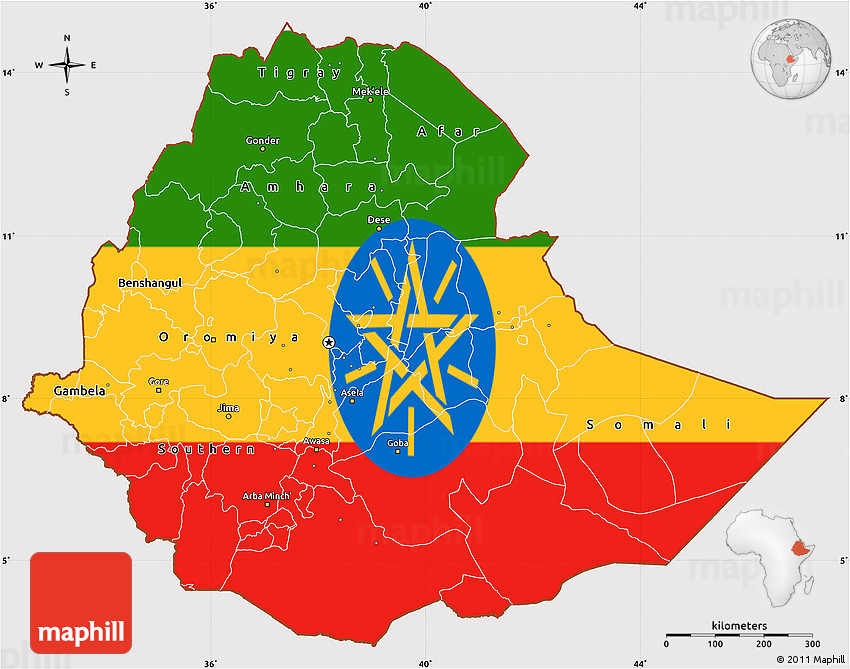
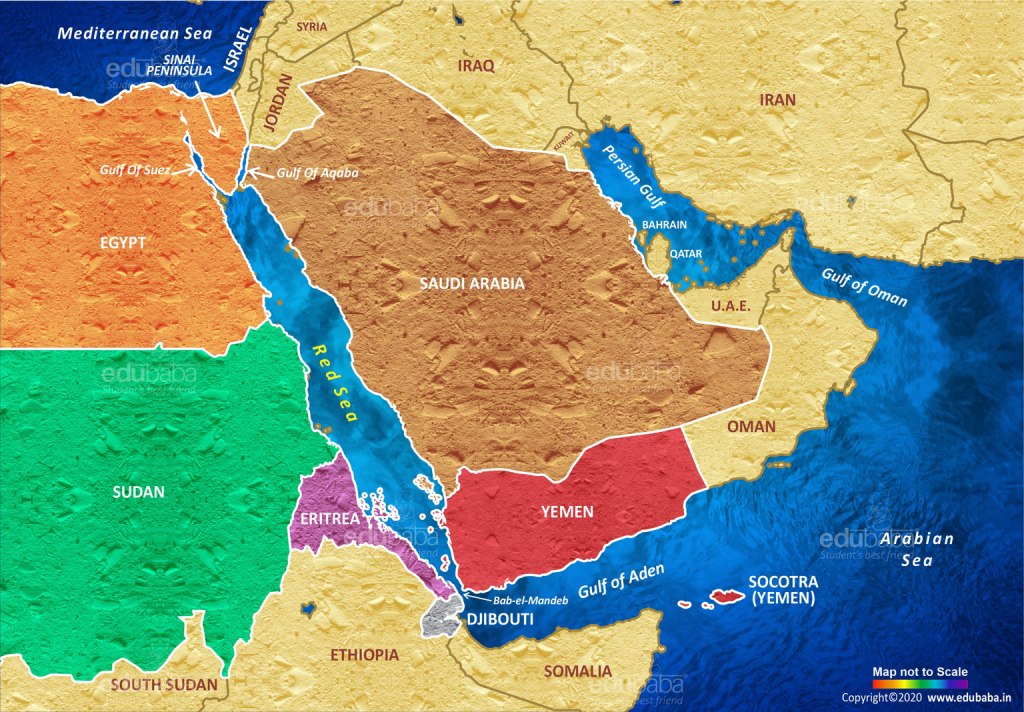
Ethiopia is one of the world’s oldest nations with a history of governance spanning over two thousand years. Before Eritrea’s independence in 1991, Ethiopia had a 1,011-kilometer-long coastline, including key ports such as Massawa and Assab, which were the country’s main harbors. Along the Red Sea, over 100 islands—including Dahlak, Fatma, and Haleb—were part of Ethiopia’s territorial domain
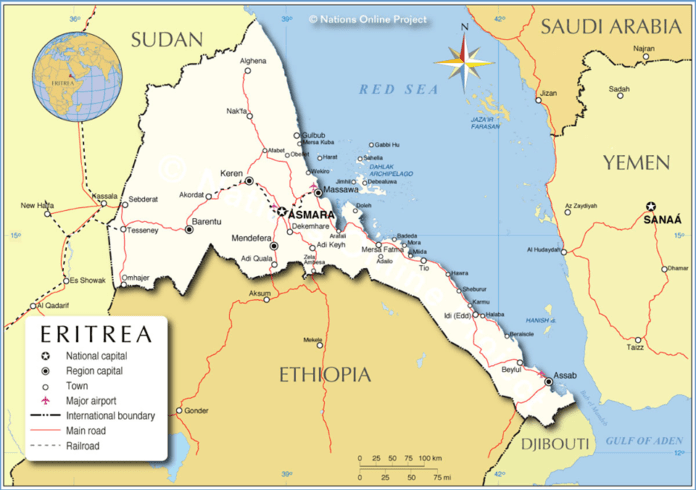
In 1991, following the fall of the Dergue regime, Eritrea became an independent country. Consequently, Ethiopia lost ownership of its Red Sea ports. Today, Ethiopia, with a population exceeding 130 million, is one of only 44 landlocked countries worldwide

Following the independence of Eritrea, the Ethiopian and Eritrean governments signed agreements where the former benefited from access to use Assab and Massawa Ports. Ethiopia continued to use the Red Sea ports for foreign trade until 1998. In particular, the Assab port corridor handled over 90% of Ethiopia’s import and export trade

In 1998, when Ethiopia and Eritrea entered into war, access to the ports was cut off. Although the two countries signed a peace agreement in Algiers, Algeria, in December 2000 under the auspices of the African Union, the agreement was never fully implemented. Since 1998, Ethiopia has not been able to use the Red Sea ports for service
With the end of the EPRDF government that ruled the country for nearly three decades in 2018, the new government headed by Abiy Ahmed Ali (PhD) signed a landmark peace deal with the Eritrean rule, which appeared to restore the previously severed relations between the two countries. Following this, Ethiopia publicly began efforts to use the Red Sea ports again. However, the peaceful relations between the two countries remained fragile for various reasons, and Ethiopia’s plan to utilize the ports did not materialize

In recent years, due to increasing logistics costs and Ethiopia’s inability to fully meet its logistics needs through the Djibouti port, coupled with ongoing geopolitical changes in the Red Sea region, Ethiopia openly declared the issue of its access to the sea as a matter of national aspiration. The Ethiopian government has also raises historical and legal contexts in justifying its claim over the Red Sea Ports (mainly over the Port of Assab)
In general, Ethiopia’s maritime claim is a complex problem influenced by historical-institutional, geo-economics, geopolitics and ideological factors. Moreover, the geopolitical dynamics in the Red Sea & Horn of Africa Regions have affected Ethiopia’s connection to the Red Sea positively or negatively. In this regard, understanding Ethiopia’s claim over Red Sea amounts to understanding the geo-politics of Horn of Africa in the past & present, and also to foretell the possible geopolitical developments in the Red Sea region in the times ahead
Based on findings from critical review of related literature, this piece tries to understand Ethiopia’s maritime claims from geo-economic perspective
What is Geo-Economics?
Geo-economics refers to strategic moves of a country to safeguard its economic security and, more broadly, its national security, by leveraging its geographical location. Unlike traditional economics—which primarily focuses on the optimal allocation of economic resources to maximize utility—geo-economics aims to utilize geographical conditions to maximize a country’s economic and/or geopolitical goals and preserve its national interests
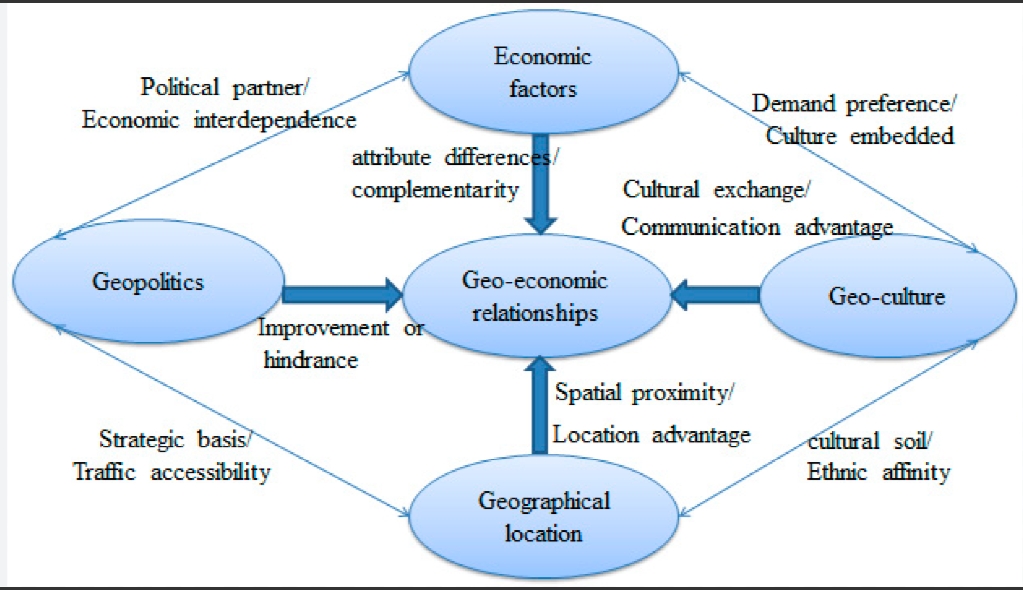
Justifying Ethiopia’s maritime claims from Geo-Economic Perspective
Ethiopia’s maritime claims can be viewed from two angles in the context of geo-economics. On one hand, being a landlocked country, Ethiopia faces challenges in importing essential raw materials and/or production inputs necessary for fundamental economic activities from international markets into the country, as well as difficulties in exporting its products to global markets. On the other hand, neighboring countries with ports use these facilities as leverage to influence Ethiopia, exerting interests and related actions that have posed a persistent problem for Ethiopia’s port access for over three decades
Until Eritrea gained independence in 1991, approximately 97% of Ethiopia’s import and export trade was conducted through the Assab port. After Eritrea’s independence, Ethiopia’s reliance shifted to leased port facilities, but following the outbreak of the Ethiopia-Eritrea war in 1998, the use of the Assab port was suspended. This development exposed the country to national security risks. At that time, Ethiopia’s alternative was to use the Djibouti port. However, the Djibouti port could only accommodate about one-quarter of Ethiopia’s port demand, which created significant logistics and national security challenges for Ethiopia. Following the colonial era, specifically after the French Millennium occupation, Ethiopia’s interests led to the expansion of the Djibouti port. Since then, between 90% and 97% of Ethiopia’s trade has been conducted through the Djibouti port
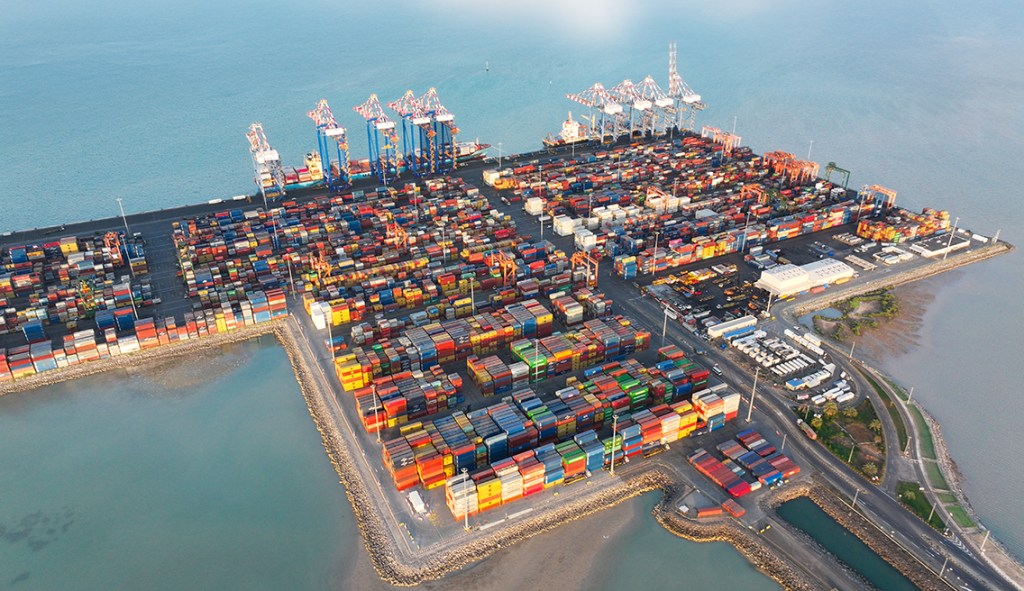
Over the past three decades, Ethiopia’s continuous economic growth has increased its demand for port access proportionally. Consequently, Djibouti port alone has not been sufficient to meet Ethiopia’s growing port needs. This shortage has caused congestion at the port, resulting in delays and higher costs for importers and exporters, including increased time, effort, and financial expenses.
Moreover, the rising service fees at Djibouti port have raised logistics costs, thereby increasing the prices of Ethiopian goods and reducing their competitiveness in international markets. Djibouti, as a country, benefits economically from the port services it provides to Ethiopia. It leverages its position to advance its own economic and geopolitical interests by exploiting Ethiopia’s dependence on its port facilities
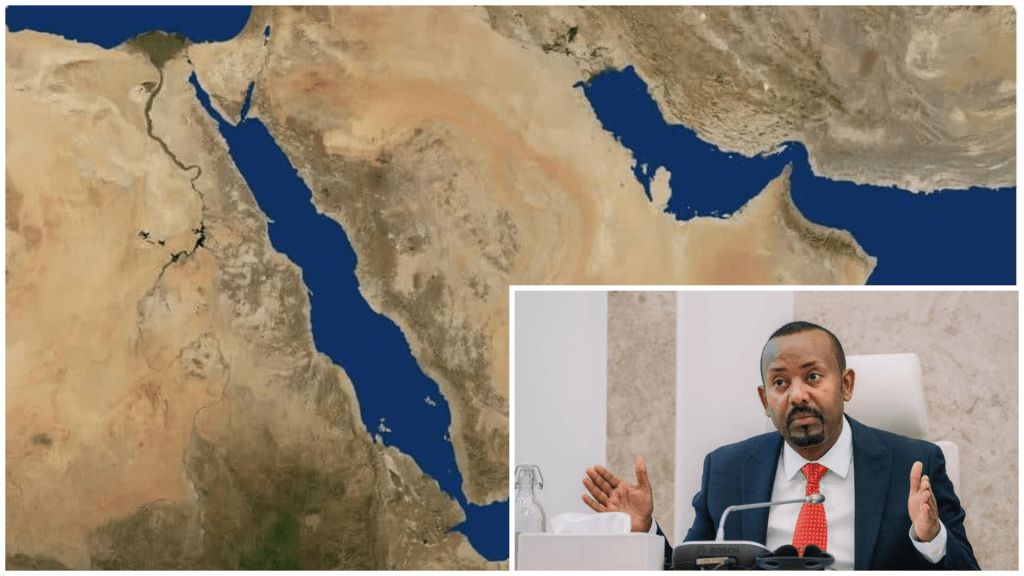
As a result, Ethiopia’s landlocked status has imposed significant economic and geopolitical disadvantages. To mitigate this problem, Ethiopia has been actively pursuing alternative ports in neighboring African countries, making numerous efforts to negotiate and utilize these options. However, due to various reasons, many of these attempts have not materialized. According to a 2020 report by the Intergovernmental Authority on Development (IGAD) Conference on Trade and Development, Ethiopia’s dependence on the Djibouti port has strategically exposed the country’s economy to vulnerabilities
The Impact of Ethiopia’s Landlocked Status on Its Economy
Ports are fundamental to a country’s economy. Studies indicate that ports provide numerous benefits to the economic sectors of a country. This is especially true for countries like Ethiopia that have large and growing populations but no coastline, making port access absolutely essential. The economic benefits of ports primarily manifest in trade, transportation, industry, agriculture, and urban development.
Landlocked countries, when depending on ports of other countries, can engage in international trade directly, quickly, efficiently, and at a lower cost. Conversely, landlocked countries face challenges in international trade and become dependent on their neighboring countries with ports. Since 1918, Ethiopia has relied on the port of Djibouti as its gateway and incurs high costs along the railway from Addis Ababa to Djibouti port. Despite domestic and international geopolitical and military changes, Eritrea, which separated from Ethiopia in 1952 and remained so until 1991, continued to use Ethiopian ports. The Addis Ababa-Djibouti railway has remained costly and inefficient, offering little benefit, and has been in this state for about forty years. Port accessibility and economic development are closely linked issues
According to a 2020 study by the United Nations Conference on Trade and Development (UNCTAD), if challenges faced by landlocked countries like Ethiopia, Rwanda, and Zambia in relation to their ports are addressed, their economies could grow on average by 2%. Studies show that improved port services can significantly accelerate economic growth, with three primary benefits: first, enhancing a country’s competitiveness in international markets, thereby increasing trade and contributing to economic growth; second, attracting suitable investments that promote infrastructure development and industrial expansion, playing a vital role in economic progress; and third, the essential role of ports in boosting sectors such as manufacturing, which are critical for economic development
- Ethiopia’s Landlocked Status Weakened the Country’s Economic Competitiveness
Improving port accessibility reduces transport and logistics costs and strengthens a country’s integration with the global market. This is especially important for emerging economies like Ethiopia, where enhancing bilateral trade relations with countries possessing ports is crucial. Studies like those by Coulibaly and Fontagné under the theme “South-South Trade” indicate that if African countries lacking ports improve their port accessibility by 10%, their annual foreign trade performance could increase by about 20%
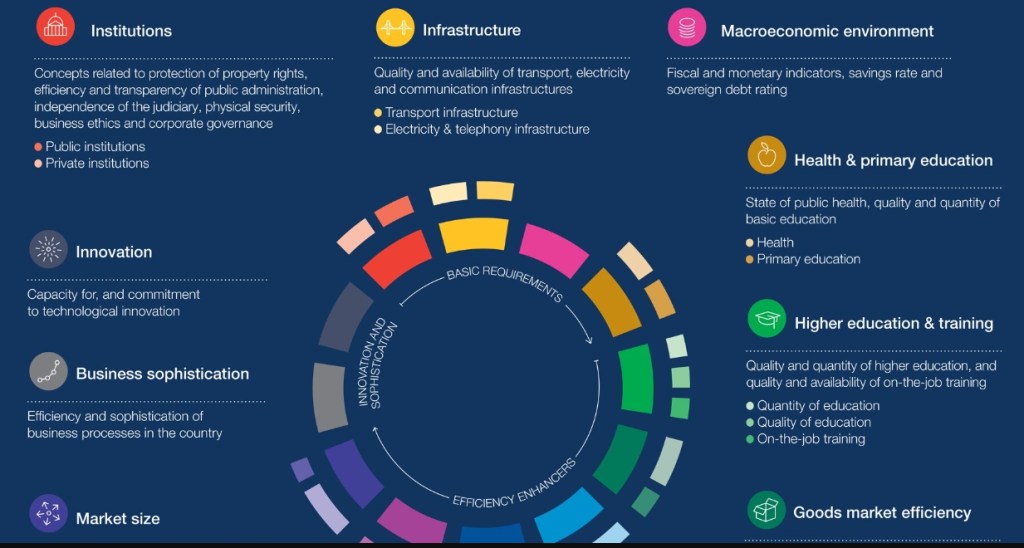
For African countries like Ethiopia that lack direct port access, logistics challenges related to high costs and revenue losses are significant. According to the World Bank, when landlocked African countries trade with those having ports, their logistics costs increase by 30%. Countries facing port accessibility issues also experience delays at customs when crossing borders, which negatively impacts trade costs. Research by Jankov and Freund titled “Trading on Time” shows that landlocked countries suffer daily trade losses of about 1% due to customs-related challenges
The World Bank’s findings reveal that Ethiopia, which conducts 95% of its international trade through the port of Djibouti, faces frequent changes in customs procedures imposed by Djibouti’s government. These bureaucratic hurdles increase costs for importers and exporters. Such logistics inefficiencies create difficulties in timely loading of shipments onto ships or unloading at ports, as well as in transporting goods into the country. Consequently, Ethiopia incurs additional transport, leasing, and related expenses, amounting to an extra annual cost of between 1.5 and 2 billion dollars
The prolonged time taken to transport goods to markets—often several weeks—particularly affects perishable agricultural products such as vegetables, fruits, coffee, and others that are easily spoiled. Because timely access to markets is not possible, high transportation costs are severely impacting trade. Manufacturers in industrial parks producing leather products face difficulties delivering their goods to international markets on schedule, resulting in various penalties, mainly price reductions. In Ethiopia, delays of up to 20 days by transporters and manufacturers due to port congestion cause average price discounts of 20-25%, leading to significant losses in trade revenue. For example, in 2021, logistics delays at the port caused Ethiopia’s foreign currency earnings from coffee exports to drop by 18%. Transport and logistics costs for coffee exporters account for about 28% of their revenue, which undermines the competitiveness of Ethiopian coffee in the global market by driving prices higher
Manufacturers of textile products struggle to deliver their goods on time due to port congestion, so they resort to air freight or airplane cargo to reduce penalties and dissatisfaction from customers. However, air cargo costs are roughly four times higher than sea freight, which sharply reduces their revenue and profitability
This problem has resulted in a steep price increase for imported goods entering Ethiopia. According to a 2020 UNCTAD (United Nations Conference on Trade and Development) report, due to port congestion, transport and logistics costs in Ethiopia range between 40% to 50% of product prices, whereas in other African countries with better port efficiency, these costs range only from 10% to 20%
Many experts who have studied the economic impact of transport and logistics challenges caused by port congestion point to the Djibouti port corridor or Ethiopia itself as examples
Ethiopia has been taking various steps to reduce the pressure caused by port congestion. Among these is the search for alternative ports to lessen reliance on the congested Djibouti port. Another key initiative is upgrading the Ethiopia-Djibouti international trade corridor’s transport and logistics infrastructure. One such project is the Ethiopia-Djibouti railway capacity enhancement project launched in 2010. Funded by a $4.5 billion loan from the Chinese government, this project modernized the previously existing railway infrastructure with a 752-kilometer electrified railway line. Completed in 2016, this railway is now operational and has reduced the average time needed to transport cargo from central Ethiopia to the Djibouti port from 72 hours to 12 hours. It has also cut logistics costs by approximately 20% to 30%. This railway project has helped speed up the logistics system and contributed an annual average productivity gain of 0.5%
- Ethiopia’s Landlocked Status Discouraged Inflow of Foreign Direct Investment
Since port services are closely tied to other economic activities such as logistics, manufacturing, and services, improving port infrastructure is crucial for their development. Port cities serve as industrial hubs because their proximity to ports facilitates the import of raw materials and the export of finished products. When transport and logistics costs around ports are high, this raises overall costs and hampers the ability of manufacturers to competitively bring products to market

Because their products are competitive in the global market, these manufacturing industries make significant contributions by attracting foreign direct investment in the manufacturing sector. However, due to the high transportation and logistics costs to landlocked countries, their production costs are also high, making their products expensive in the international market. Researchers named Limo and Vinabiles have confirmed in their studies that when landlocked countries are compared with those having ports, their transportation and logistics costs are 50% higher. In addition, landlocked countries face difficulties delivering their products to international buyers at the desired time, which significantly reduces their trade competitiveness
In August 2024, a port accident in Djibouti severely disrupted port services, resulting in fuel shortages in Ethiopia for several days. This recent event highlighted Ethiopia’s vulnerability as a landlocked country dependent on other nations’ ports, underscoring risks to its economy and security
The Essence of Resolving Ethiopia’s Maritime Claims
The unresolved issue of Ethiopia’s maritime claims has posed extensive effects not just affecting the economic (and hence national) security of Ethiopia. It was also at the heart of the factors that gave way to the Ethio-Eritrea War (1998–2000). The border issue, which is often raised as cause of the war, was rather a pretext. Although the war formally ended with the Algiers Agreement in 2000, Ethiopia and Eritrea have not consistently pursued reciprocal reconciliation. The unresolved issue of Ethiopia’s maritime claims (ascribed to the Port of Assab) was at the heart of this repercussion, which is extended beyond the two states to reshape the geopolitics of the Horn of Africa and the Red Sea corridor was at the heart of this repercussion, which is extended beyond the two states to reshape the geopolitics of the Horn of Africa and the Red Sea corridor

As a result, the Red Sea corridor has assumed strategic salience for global powers (including USA and China) who sought to expand their maritime presence and influence across the corridor. These developments, in turn, elevated the strategic importance of the Horn and the Red Sea, with implications for countries in the Region whose national security calculations became subject to external geopolitical influence
Therefore, resolving Ethiopia’s maritime claims on the basis of durable national interests is crucial for peace and stability in the Horn of Africa, Red Sea Region and global interests. The dispute between Ethiopia can be resolved through public diplomacy, political, economic, administrative and legal instruments powered by bilateral diplomacy. In this regard, key actors from both Ethiopia and Eritrean sides influencing in dealing the issue are expected to exhaustively adopt those peaceful alternatives
Let peace be upon the people of Ethiopia and Eritrea!!!
Editor’s Note: Mr. Habtamu Girma Demiessie is a research fellow at the African Economic Research Consortium (AERC) – a leading capacity building institution in Africa based in Nairobi, Kenya.. He is also a PhD scholar specializing in Energy Economics at the Department of Economics, University of Ibadan, Nigeria. Formerly, Mr. Habtamu was Assistant Professor of economics at Jigjiga University, Ethiopia. He is also a writer who authored 12 books. Two of his latest book series – titled ‘ETHIOPIA AND THE RED SEA: Understanding Ethiopia’s Maritime Claims’ and ‘THE PORT OF ASSAB AND ETHIO-ERITREAN RELATION (1991 – PRESENT) – present a comprehensive account on Ethiopia’s maritime claims. Readers interested to share their thoughts or feedback on this piece and his other works may contact Mr. Habtamu via his email address: ruhe215@gmail.com
 ሩህ ሚዲያ Ruh Media
Leave a comment